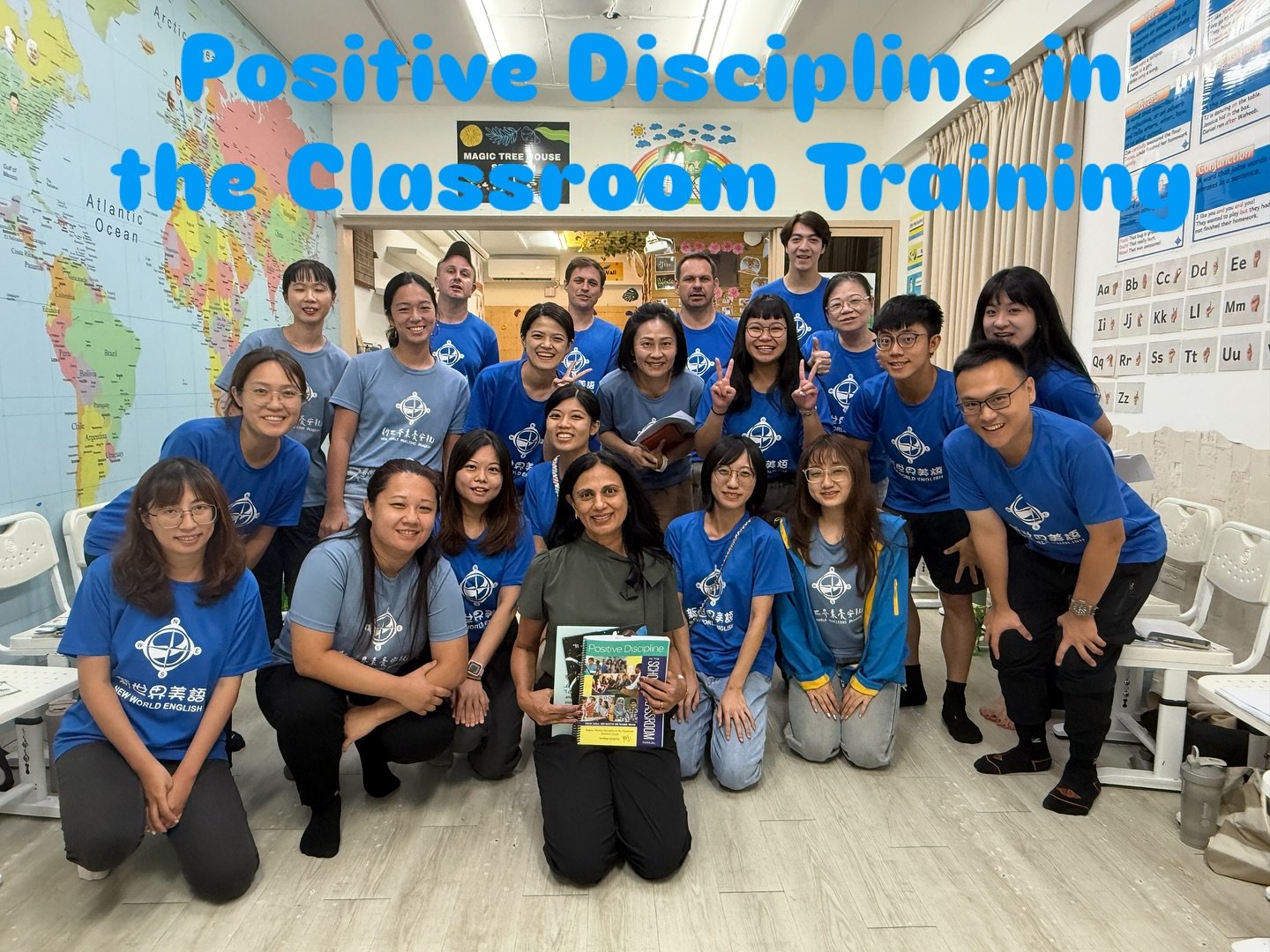
Most of us can remember a time when “discipline” meant punishment, raised voices, or rules that felt more confusing than helpful. More and more teachers and parents are now looking for something different—an approach that guides children while still honoring their dignity, confidence, and sense of belonging.
They want to teach responsibility without fear.
They want respect without power struggles.
They want cooperation without using rewards or threats.
This is where Positive Discipline makes the difference.
Yogi Patel has become a trusted guide for families, educators, and schools who are ready to make this shift. Her work brings together Adlerian psychology, experiential learning, and practical tools that help adults build connection, encourage capability, and create environments where children thrive.
Yogi Patel has spent years training teachers and coaching parents, and she has a calm, grounded way of explaining discipline that feels doable. She doesn’t promise perfection. She focuses on connection, respect, and clear boundaries that actually teach children how to problem-solve. Her work has helped shape Positive Discipline Training for Teachers and Positive Discipline Training for Parents in a practical way that works in real life, not just in theory.
How Yogi Patel Supports Teachers
Teachers are stretched thin. They are expected to manage behavior, teach academics, and support children who often come to school carrying heavy emotions. In Yogi Patel’s training sessions, teachers don’t just learn strategies; they learn to view behavior differently.
She talks a lot about slowing down before reacting. A child who’s shouting isn’t trying to ruin a lesson. Something triggered them. Mrs. Patel teaches teachers to be curious before making assumptions. It doesn’t mean ignoring behavior or letting things slide. It means slowing down enough to understand what’s underneath the behavior so we can respond to the root cause, not just the surface.
Her workshops include hands-on practice, not just slides and notes. Teachers act out real classroom moments, try out different responses, and see how tone and body language change everything. Many teachers say they leave her sessions feeling more confident because they finally have tools that match their values.
Class meetings are another part she encourages. Instead of rules coming only from adults, students get a voice. When solutions are created in collaboration with children, children understand them better and begin to treat others around them with respect. Consequently, the atmosphere in the classroom settles down, and both the teacher and students learn to respect each other.
Helping Parents Build Connection at Home
Yogi Patel’s work with families has the same core message: discipline should build skills, not fear. When parents learn Positive Discipline techniques, they’re often surprised by how gentle and firm they can be at the same time.
One of the first things she teaches is to connect with the children before correcting. Children shut down when they feel singled out, but they open up when they feel understood. Something as simple as sitting next to a child, acknowledging what they’re feeling, and then talking about what needs to change can move a situation from chaos to calm.
Patel also shows parents how to use logical consequences instead of punishment. If a child makes a mess, they help clean it. If they speak unkindly, they take responsibility by checking in with the other person and repairing the hurt. These moments become opportunities to learn—not battles to win.
Encouragement is another core part of her work with families. Rather than the quick “Good job,” she teaches adults to notice effort, persistence, creativity, and improvement. This kind of acknowledgment strengthens a child’s confidence from the inside out, so they don’t rely on praise to feel capable.
And when parents lose their cool, which everyone does, Patel always reminds them that repair matters more than perfection. A sincere apology does far more for a child’s development than pretending nothing happened.
Why This Approach Works
Children feel grounded when teachers and parents are working from the same page. They notice when expectations are consistent between home and school, and they feel the trust that adults place in one another. Discipline rooted in love and support isn’t about creating “perfect” behavior. It’s about helping children understand themselves, take ownership of their choices, and build the emotional resilience they need to navigate life with confidence.
By having someone like Yogi Patel provide leadership in both institutions-Teacher to Classroom, parents to home- this theory transforms into a grounded and down-to-earth way of living. It is far different from just being fashionable. It’s a healthier way to raise and teach children who feel seen, capable, and supported, and that’s something every child deserves.