
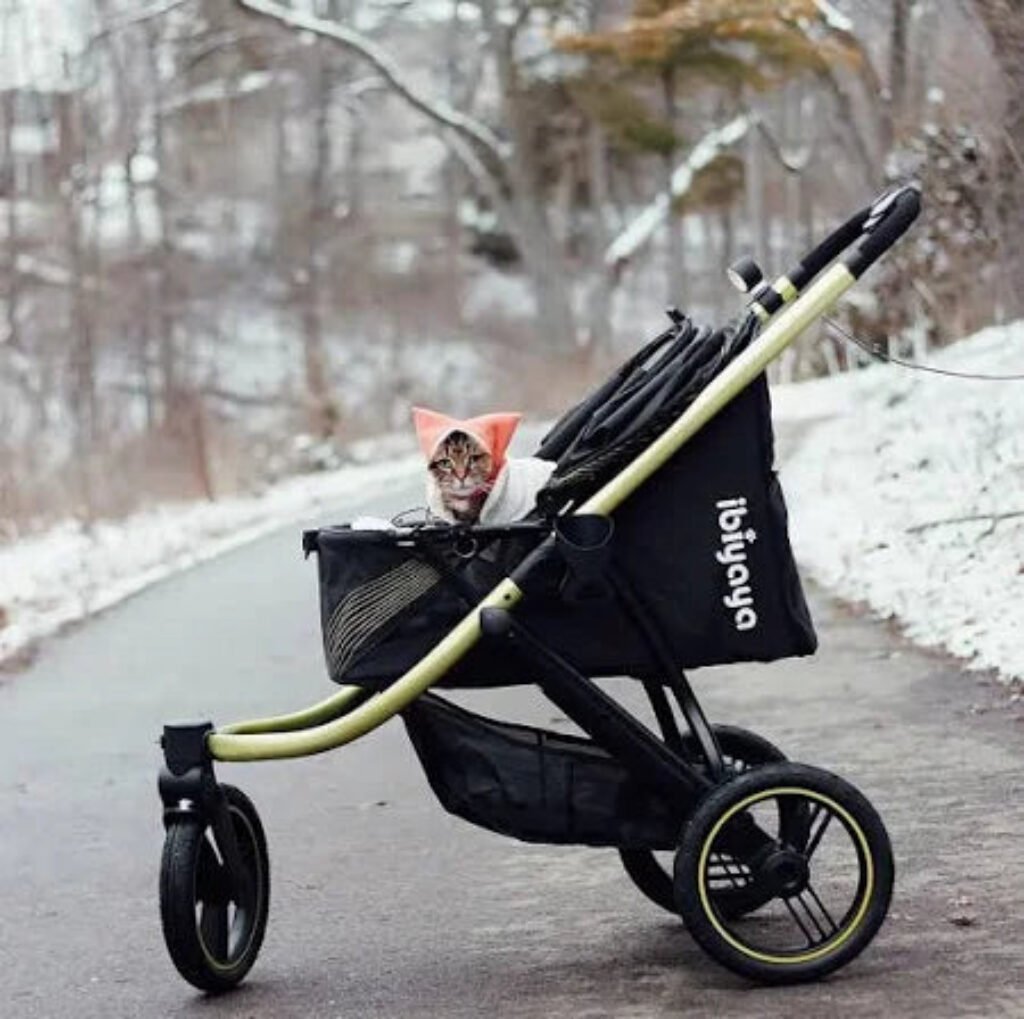
Dog lovers understand the joy of heading outdoors with a loyal companion at their side. Walks are routines, adventures, and bonding rituals all rolled into one. Yet in many pet-loving homes, dogs are not the only animals craving stimulation. Cats, often misunderstood as homebound creatures, are increasingly proving that they enjoy the sights, sounds, and scents of the outside world—on their own terms. This is where cat prams and the cat stroller step into the spotlight.
Modern pet ownership is evolving. Today’s cat guardians are more attentive to enrichment, mobility, and emotional wellbeing. While a dog happily trots along on a lead, a cat prefers comfort, security, and control. A well-designed stroller offers exactly that. Enclosed yet ventilated, elevated yet stable, it allows cats to observe the world without the stress of direct exposure.
For households that already revolve around dog walks, this can be a game changer. Instead of leaving a cat behind, pet lovers can include them in daily outings. The result is a more harmonious routine where all animals feel involved. Cats that live with dogs often show curiosity about outdoor activity, and a pram provides a safe way to satisfy that interest without risk.
Mobility is another key reason these products are growing in popularity. Older cats, those recovering from surgery, or pets with joint issues still benefit from fresh air and mental stimulation. Carrying them for long periods is impractical, and leads are rarely suitable. A cat stroller offers an elegant solution, combining comfort with ease of movement for the owner. Smooth wheels, secure compartments, and lightweight frames make longer walks manageable, even in busy urban environments.
Stress reduction is often overlooked but equally important. Many cats become anxious during vet visits or travel. Regular short trips in a pram can help them associate movement and outdoor sights with calm, positive experiences. Over time, this familiarity can make necessary journeys far less traumatic. For dog lovers used to confident, outward-facing pets, seeing a cat gradually relax in a mobile space can be surprisingly rewarding.
There is also a strong enrichment aspect. Cats are natural observers. From the safety of a stroller, they can watch birds, people, and passing dogs without feeling threatened. This controlled exposure stimulates their senses and reduces boredom, particularly for indoor cats. Behaviourists often note that enriched cats are less destructive, more engaged, and display fewer stress-related behaviours.
Practical design has come a long way. Today’s cat prams are not clunky novelties but thoughtfully engineered tools. Breathable mesh panels ensure airflow while preventing escape. Cushioned interiors support posture, and storage compartments allow owners to carry essentials with ease. For dog owners accustomed to functional pet gear, the learning curve is minimal.
Social acceptance has shifted too. What once drew curious looks is now increasingly common. Pet culture has embraced individuality, and seeing a cat in a stroller is no longer unusual. In fact, it often sparks conversations among fellow animal lovers, creating opportunities to share experiences and tips.
Importantly, using a stroller respects a cat’s boundaries. Unlike dogs, cats should never be forced into situations that overwhelm them. The enclosed nature of a pram allows them to retreat, observe, or nap as they choose. This autonomy builds trust, strengthening the bond between pet and owner.
For dog lovers who appreciate thoughtful care and quality time, extending that mindset to cats feels natural. A cat stroller is not about pampering; it is about inclusion, wellbeing, and understanding different needs within the same loving household. As pet lifestyles continue to blend, these mobility solutions reflect a deeper shift towards compassionate, informed animal care—one smooth stroll at a time.